Welcome New Patients!

Porcelain vs Zirconia vs Metal Crowns: Which Is Right for You
San Antonio, TX


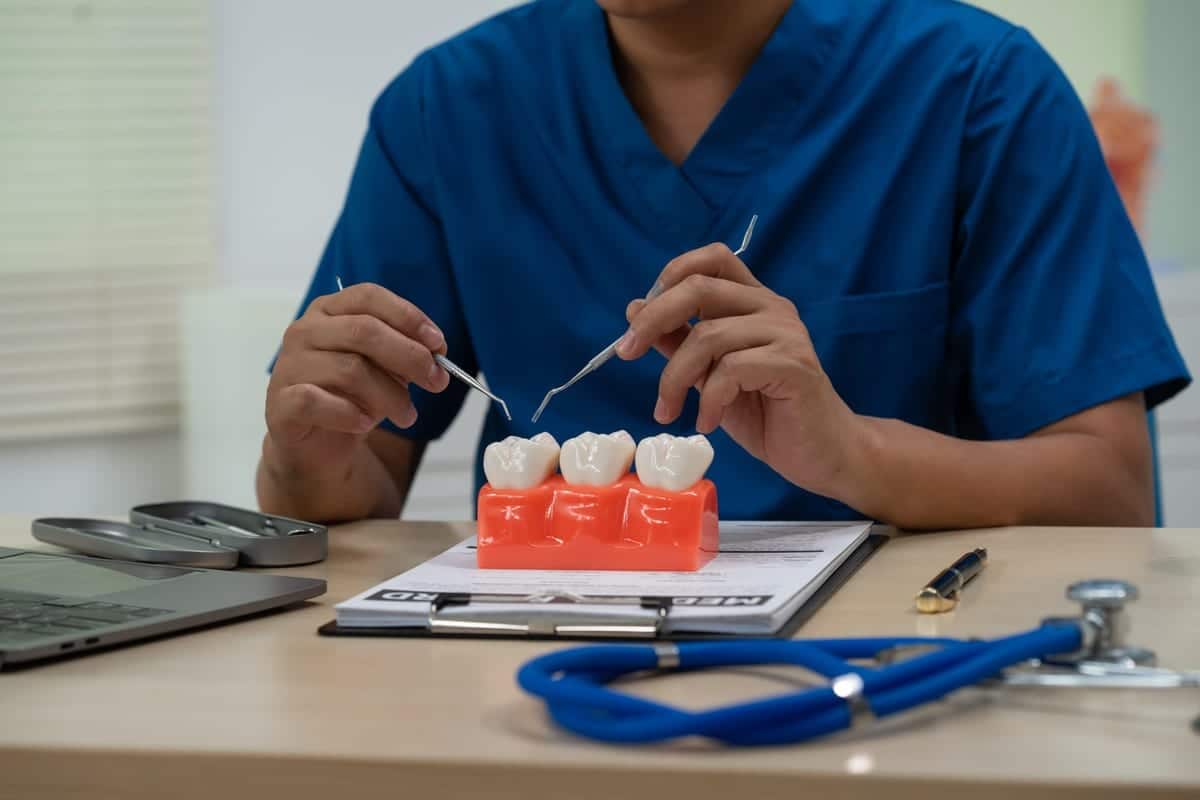
Choosing the right dental crown material is one of the most important decisions in restorative care. When patients in San Antonio ask about porcelain vs zirconia vs metal crowns and which is right for them, the answer depends on several personal factors. At Life Smiles Dental Studio, Dr. Beryl Otchere takes time to walk every patient through these options clearly. Understanding the differences helps you feel confident and informed before any procedure begins.
What Are Dental Crowns and Why Does Material Matter?
A dental crown is a tooth-shaped cap placed over a damaged or weakened tooth. It restores the tooth’s shape, size, strength, and appearance. The material your dentist selects affects how the crown looks, how long it lasts, and how it functions under daily biting pressure.
Not every crown material works well in every situation. A crown placed on a back molar faces very different demands than one placed on a front tooth. Your dentist will evaluate your bite, tooth location, and aesthetic goals before making a recommendation. This is why a thorough consultation matters so much.
Crown materials also differ in how they interact with surrounding teeth and gum tissue. Some materials are gentler on opposing teeth. Others resist wear and fracture more effectively over time. Knowing these differences helps you have a more productive conversation with Dr. Otchere during your visit.
Porcelain Crowns: The Aesthetic Choice for San Antonio Patients
Porcelain crowns are widely considered the most natural-looking option available today. They mimic the translucency and color of real tooth enamel very closely. This makes them a popular choice for front teeth and teeth visible when you smile.
However, traditional porcelain has some limitations worth knowing. It is more prone to chipping than zirconia or metal under heavy biting forces. It may not be the best choice for back molars that endure significant pressure during chewing. Patients who grind their teeth may also wear through porcelain faster.
Porcelain crowns are sometimes fused to a metal base for added strength. These are called porcelain-fused-to-metal (PFM) crowns. While stronger than all-porcelain options, a thin dark line may eventually appear at the gumline as gums recede. Dr. Otchere will discuss whether this tradeoff suits your specific situation. For patients exploring other cosmetic alternatives, Dental Bonding San Antonio may also be worth considering for minor tooth repairs.
Zirconia Crowns: Strength Meets Modern Aesthetics
Zirconia has quickly become one of the most recommended crown materials in modern dentistry. It combines exceptional strength with a tooth-like appearance that rivals porcelain. This makes it a versatile choice for both front and back teeth.
Here are some key advantages zirconia crowns offer:
- Exceptional durability — zirconia resists chips and cracks far better than porcelain
- Natural appearance — modern zirconia is highly aesthetic and blends well with natural teeth
- Biocompatibility — it is well-tolerated by gum tissue and rarely causes sensitivity
- Metal-free — ideal for patients with metal sensitivities or allergies
- Longevity — zirconia crowns often outlast traditional porcelain options significantly
Zirconia is an excellent choice for patients who want both strength and a pleasing smile. It works especially well for back teeth that need resilience without sacrificing aesthetics. Many San Antonio patients are choosing zirconia as their preferred crown material for these reasons.
One consideration is that older zirconia could sometimes be too opaque for front teeth. However, newer multilayer zirconia now closely matches the natural gradient of tooth color. Your dentist will select the right zirconia grade based on your tooth location and cosmetic needs.
Metal Crowns: The Durability Standard
Metal crowns — typically made from gold alloys or base metal alloys — have been used in dentistry for decades. They remain one of the strongest and most durable options available. They rarely chip or break, even under the heaviest chewing forces.
Metal crowns require less tooth removal during preparation than other materials. This is an important benefit because preserving healthy tooth structure is always a priority. They also have an excellent long-term track record in clinical settings worldwide.
The obvious drawback is appearance. Metal crowns are highly visible due to their gold or silver color. For this reason, most patients prefer them only on back molars where they are not easily seen. If aesthetics matter to you, this is a significant factor to discuss with Dr. Otchere.
Metal crowns can be an excellent option when strength is the top priority. Patients with bruxism (teeth grinding) often do well with metal crowns on back teeth. They are also a practical consideration when tooth structure is severely compromised and maximum durability is needed.
How to Compare Your Crown Options Side by Side
Making a decision becomes easier when you look at each material’s key characteristics together. Here is a straightforward comparison to guide your thinking:
- Aesthetics: Porcelain and zirconia both offer natural looks; metal does not
- Strength: Metal is strongest overall; zirconia is a close second; porcelain is most fragile
- Cost: Zirconia tends to cost more than porcelain-fused-to-metal; metal varies by alloy
- Best for front teeth: Porcelain or high-translucency zirconia
- Best for back teeth: Zirconia or metal for maximum durability
- Ideal for grinders: Metal or zirconia over porcelain
- Metal-free option: Porcelain or zirconia for allergy-sensitive patients
For patients who have lost a tooth entirely, a dental crown is often part of a larger treatment plan. In those cases, Dental Bridges San Antonio may provide a connected crown solution across multiple teeth. Dr. Otchere will evaluate your full dental health before recommending the most appropriate path forward.
What Dr. Otchere Will Consider During Your Consultation
No two patients have identical needs, and crown selection is never a one-size-fits-all decision. During your consultation at Life Smiles Dental Studio, Dr. Otchere will assess several factors specific to you. These include the location of the tooth, your bite force, your cosmetic goals, and any history of grinding.
She will also consider the overall health of your surrounding teeth and gums. A crown placed on a healthy foundation lasts significantly longer. If any underlying issues exist, she will address those before placing a crown. This comprehensive approach ensures the best long-term outcome for every patient.
San Antonio patients who are proactive about their dental care tend to enjoy better results over time. Asking questions, understanding your options, and following post-crown care instructions all contribute to lasting success. Dr. Otchere and the Life Smiles Dental Studio team are here to guide you every step of the way.
If you are ready to explore your crown options or have questions about which material suits your smile, Book Now to schedule your appointment with our team.
Frequently Asked Questions
How long do dental crowns typically last in San Antonio’s climate?
Most dental crowns last between 10 and 15 years with proper care. Zirconia and metal crowns tend to last the longest due to their superior strength. Regular dental check-ups and good oral hygiene significantly extend the lifespan of any crown material.
Is zirconia better than porcelain for back teeth?
In most cases, yes. Zirconia is considerably stronger than traditional porcelain and handles the heavy chewing forces that back molars endure. It also offers a more natural appearance than metal, making it an excellent all-around option for molar crowns.
Will my crown look natural after placement?
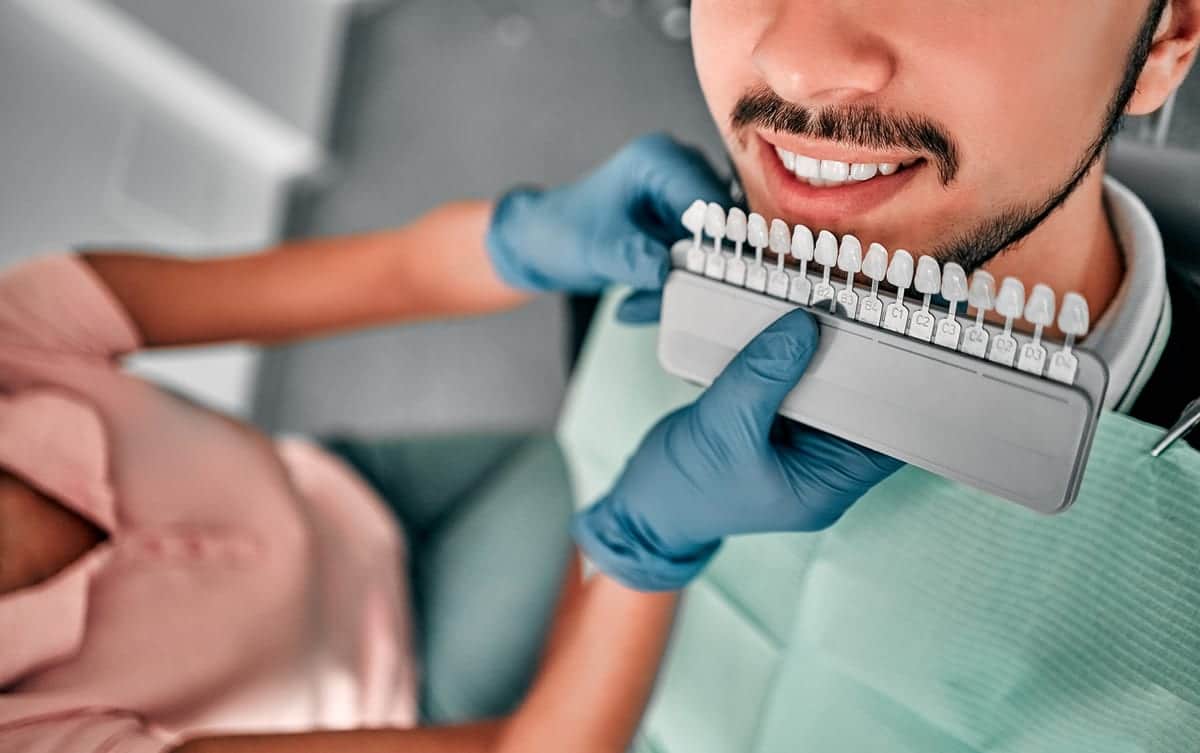
Both porcelain and modern zirconia crowns are designed to closely match the color and translucency of your natural teeth. Dr. Otchere carefully shade-matches your crown to blend seamlessly with surrounding teeth. Most patients find that no one can tell they have a crown at all.
Does getting a dental crown hurt?
The procedure is performed under local anesthesia, so you should feel little to no discomfort during placement. Some patients experience mild sensitivity or soreness in the days following the procedure. This typically resolves on its own and can be managed with over-the-counter pain relief.
Can I get a crown if I grind my teeth?
Yes, but material selection becomes especially important. Dr. Otchere may recommend zirconia or metal crowns for patients with bruxism due to their superior resistance to wear. She may also suggest a custom nightguard to protect your crown and surrounding teeth while you sleep.