Welcome New Patients!

Is Your Tooth Throbbing? 5 Signs You Need a Root Canal Now
San Antonio, TX


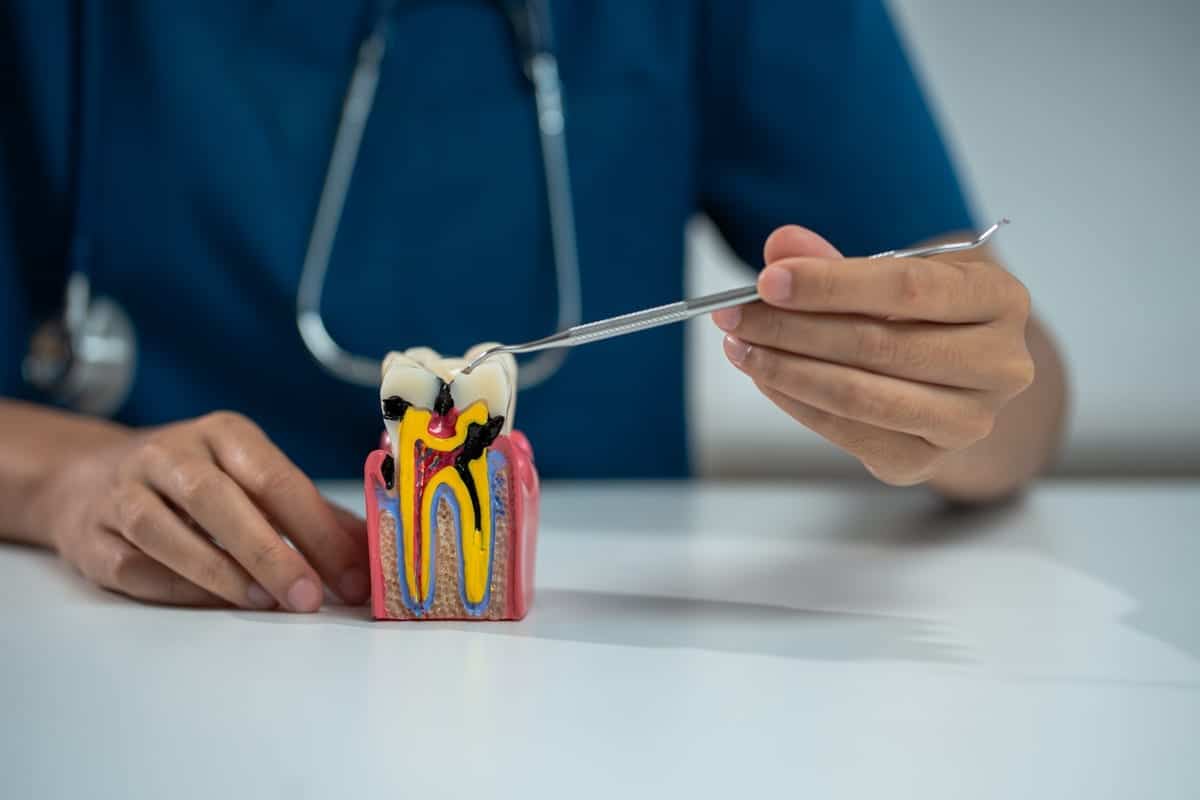
Is your tooth throbbing? This kind of pain rarely goes away on its own. Many San Antonio patients wonder if they truly need a root canal or if the discomfort will pass. Understanding the 5 signs you need a root canal now in San Antonio could save your tooth — and your health. At Life Smiles Dental Studio, Dr. Beryl Otchere helps patients recognize these warning signs before they become serious emergencies.
What Is a Root Canal and Why Would You Need One?
A root canal is a procedure that removes infected or damaged pulp from inside your tooth. The pulp is the soft tissue containing nerves and blood vessels. When bacteria reach this tissue, infection sets in quickly. Left untreated, the infection can spread to your jaw, gums, and even your bloodstream.
Many patients fear root canals more than necessary. In reality, modern techniques make the procedure far more comfortable than its reputation suggests. Delaying treatment, however, genuinely does make things worse. The infection grows, the pain intensifies, and tooth loss becomes more likely.
5 Signs You Need a Root Canal Now in San Antonio
Recognizing the symptoms early gives you the best chance of saving the tooth. Here are five clear warning signs that should prompt an immediate dental visit.
- Persistent, throbbing toothache: A deep, pulsing pain that doesn’t let up is a hallmark sign. Over-the-counter pain relievers may dull it temporarily, but the underlying infection keeps growing.
- Sensitivity that lingers: Does your tooth ache long after you finish a hot drink or cold treat? Normal sensitivity fades within seconds. Lingering sensitivity lasting 30 seconds or more signals nerve damage.
- Darkening or discoloration of the tooth: A tooth turning gray or dark often means the pulp inside is dying. This discoloration is a visible sign that the internal tissue is in serious trouble.
- Swollen or tender gums near the tooth: Puffiness, tenderness, or a small pimple-like bump on the gum indicates a dental abscess. This abscess is a pocket of infection that needs immediate attention.
- Pain when chewing or touching the tooth: Significant pain during biting or light pressure suggests the infection has irritated the tissues around the root. This symptom often means the problem has progressed beyond early stages.
If you recognize any of these symptoms, do not wait. Schedule an evaluation with Dr. Otchere at Life Smiles Dental Studio as soon as possible.
Why Waiting Makes Everything Worse
Dental infections do not resolve on their own. Bacteria multiply rapidly once they enter the pulp chamber. Every day of delay gives the infection more opportunity to spread.
A tooth that could have been saved with a root canal may require extraction after prolonged delay. Tooth loss then leads to additional costs and procedures. Replacing a missing tooth with a Dental Crowns San Antonio restoration or implant is significantly more involved than treating the original infection early.
In severe cases, oral infections spread beyond the mouth. Cellulitis, Ludwig’s angina, and sepsis are rare but life-threatening complications of untreated dental abscesses. San Antonio residents experiencing swelling in the jaw or throat should seek emergency care immediately.
Acting quickly protects your tooth structure. Early-stage root canals often pair with a crown to restore full function. The sooner you treat the infection, the better the long-term outcome for your smile.
What to Expect During Root Canal Treatment at Life Smiles Dental Studio
Understanding the process helps reduce anxiety. Dr. Beryl Otchere and the team at Life Smiles Dental Studio prioritize patient comfort throughout every step.
- Examination and X-rays: Dr. Otchere assesses the extent of the infection using digital X-rays. This step determines whether a root canal is the right treatment plan.
- Local anesthesia: The treatment area is fully numbed before any work begins. Most patients report feeling pressure, not pain, during the procedure.
- Pulp removal: Dr. Otchere carefully removes the infected pulp tissue through a small access point. The canals are then cleaned and shaped.
- Sealing the tooth: The cleaned canals are filled with a biocompatible material called gutta-percha. This prevents bacteria from re-entering.
- Crown placement: Most teeth need a crown after a root canal to restore strength and prevent fractures. This final step protects your investment and your tooth.
The entire process typically takes one to two appointments. Recovery is usually mild, involving minor soreness for a few days. Most patients return to normal activities the very next day.
Protecting Your Tooth After Treatment
A successful root canal gives your natural tooth a second chance. Protecting that result requires good aftercare habits. Follow Dr. Otchere’s post-treatment instructions closely.
Avoid chewing on the treated side until your crown is placed. Keep up with regular brushing, flossing, and professional cleanings. Teeth cleanings at Life Smiles Dental Studio help monitor healing and catch any concerns early.
Some patients ask about cosmetic options after treatment. If adjacent teeth show wear or minor chips, a procedure like Dental Bonding San Antonio can restore a uniform, healthy-looking smile. Dr. Otchere tailors every treatment plan to the individual patient’s needs and goals.
San Antonio patients who invest in prompt root canal care protect both their oral health and their overall well-being. Prevention and early action are always the smartest strategies.
Don’t Ignore the Throbbing — Act Now
A throbbing tooth is your body’s alarm system. It signals that something serious is happening beneath the surface. Ignoring that signal puts your tooth, your comfort, and your health at risk.
Dr. Beryl Otchere at Life Smiles Dental Studio is here to help San Antonio patients get fast, compassionate relief. Whether you are experiencing sharp pain, lingering sensitivity, or visible swelling, our team will evaluate your situation with care and expertise.
You deserve a healthy smile and a pain-free life. Book Now to schedule your appointment with our team.
Frequently Asked Questions
How do I know if my toothache means I need a root canal?
Persistent throbbing pain, sensitivity that lingers after hot or cold exposure, tooth discoloration, swollen gums, and pain when biting are all strong indicators. Not every toothache requires a root canal, but these specific symptoms warrant an evaluation with Dr. Otchere right away. Only a dental examination with X-rays can confirm the diagnosis.
Is a root canal procedure painful?
Most patients are surprised by how comfortable modern root canal treatment is. Local anesthesia numbs the area completely before the procedure begins. The majority of patients report feeling pressure rather than pain. Post-procedure soreness is typically mild and managed easily with over-the-counter pain relievers for a day or two.
What happens if I ignore a tooth that needs a root canal?
Ignoring an infected tooth allows bacteria to spread to surrounding bone, gum tissue, and potentially the jaw. The infection can form an abscess, cause tooth loss, or in rare cases spread to other parts of the body. Early treatment preserves the tooth and prevents far more serious health complications.
How long does a root canal take at Life Smiles Dental Studio?
Most root canal procedures at Life Smiles Dental Studio are completed in one to two appointments. Each appointment typically lasts between 60 and 90 minutes. Complex cases involving multiple canals or severe infection may require additional time. Dr. Otchere will give you a clear timeline during your initial evaluation.
Can a root canal tooth get infected again?
A properly sealed and crowned root canal tooth is very unlikely to become reinfected. However, dental hygiene matters greatly. Brushing, flossing, and attending regular professional cleanings all reduce the risk of future problems. If a crown is not placed after treatment, the tooth becomes vulnerable to fracture and possible reinfection.