Welcome New Patients!

Invisalign vs. Braces in San Antonio, TX
San Antonio, TX


Deciding between Invisalign vs. braces for your adult smile in San Antonio is a bigger choice than most people expect. Both options straighten teeth effectively. But they differ greatly in comfort, appearance, cost, and how much they disrupt daily life. At Life Smiles Dental Studio, Dr. Beryl Otchere helps adults navigate this decision every day. Understanding the real differences helps you choose confidently.
How Invisalign and Traditional Braces Actually Work
Traditional braces use metal brackets bonded directly to your teeth. Wires connect the brackets and apply steady pressure to shift teeth over time. Your dentist or orthodontist tightens the wires at each appointment. This process is reliable and has worked for decades.
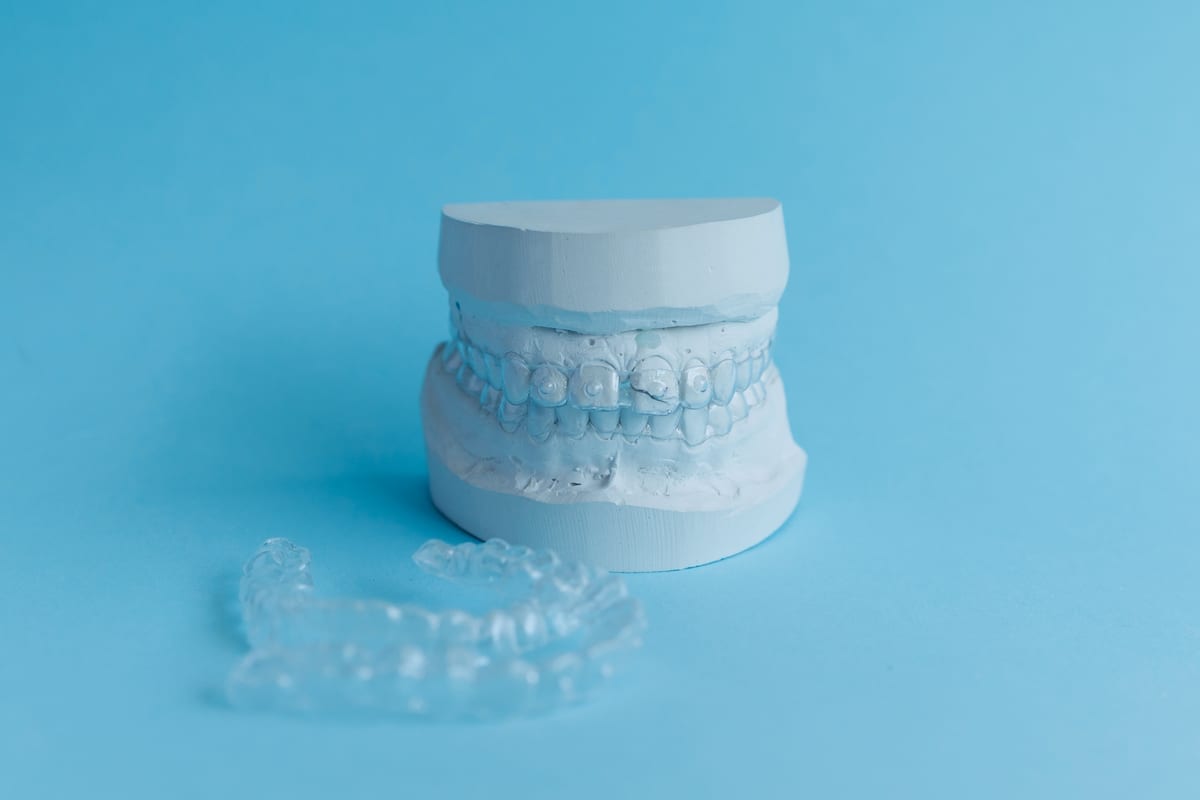
Invisalign uses a series of custom clear aligners instead. You wear each set for about one to two weeks. The aligners gradually move your teeth toward the desired position. You switch to the next set in the series until treatment is complete.
Both systems apply controlled force to reposition teeth. The mechanics differ, but the goal remains identical. Knowing how each method works helps set realistic expectations for your treatment journey.
Comfort and Appearance: A Side-by-Side Comparison for San Antonio Adults
For many adults, appearance is the deciding factor. Metal braces are visible and noticeable at close range. This can feel uncomfortable in professional settings or social situations. Many adults in San Antonio report feeling self-conscious about traditional braces at work.
Invisalign aligners are nearly invisible when worn. Most people will not notice them during conversation or in photos. This makes Invisalign a popular choice for working professionals and adults who value discretion. The aesthetic advantage is significant for many patients.
Comfort is another major difference between the two. Braces involve brackets that can irritate the inner cheeks and gums. Wires sometimes poke or cause soreness after adjustments. Invisalign aligners have smooth edges and generally cause less irritation overall.
- Invisalign: Nearly invisible, smooth plastic, removable for eating and brushing
- Traditional braces: Visible metal hardware, fixed to teeth, requires dietary restrictions
- Soreness: Both cause temporary discomfort when teeth are moving
- Speech: Invisalign may cause brief lisping at first; braces rarely affect speech
Compliance, Maintenance, and Daily Life With Each Option
Invisalign requires discipline. You must wear your aligners 20 to 22 hours per day for results. Removing them to eat and drink is a benefit, but it also creates room for non-compliance. Adults who forget to replace aligners can extend treatment time significantly.
Traditional braces are fixed to your teeth. You cannot remove them, which means compliance is not a concern. The treatment moves forward whether you think about it or not. For some adults, this predictability is actually an advantage.
Oral hygiene differs between the two options as well. With Invisalign, you remove aligners and brush and floss normally. With braces, you must carefully clean around brackets and wires. Food can get trapped easily, making thorough cleaning more time-consuming.
- Remove Invisalign before every meal or snack
- Rinse aligners with water before reinserting after eating
- Brush after meals when possible to prevent staining aligners
- With braces, avoid sticky, hard, or chewy foods to protect brackets
- Use a floss threader or water flosser to clean under braces wires
Treatment Scope: Which Option Handles Your Case?
Invisalign has advanced significantly over the past decade. It now treats a wide range of alignment issues effectively. Mild to moderate crowding, spacing, and bite problems are commonly treated with Invisalign. Many adults in San Antonio are excellent candidates.
However, complex orthodontic cases still favor traditional braces. Severe overcrowding, significant bite misalignment, or rotated teeth may require braces for the best outcome. Dr. Beryl Otchere evaluates each patient individually to determine the right fit. No single solution works for every adult smile.
It is also worth noting how orthodontic treatment interacts with other dental work. Some adults need Dental Crowns on existing teeth before or after alignment treatment. Crowns and other restorations can affect how aligners fit or how brackets attach. A thorough dental exam helps identify these factors in advance.
Patients who have had cosmetic treatments should also discuss their history with their dentist. Procedures like Dental Bonding may need to be taken into account during treatment planning. Your overall dental health picture matters as much as the alignment concern itself.
Cost Considerations and What to Expect Financially
Cost is a practical concern for most adults weighing their options. Invisalign and traditional braces fall within a similar price range in many cases. Invisalign tends to cost slightly more due to the technology involved. The total cost depends on treatment complexity and duration.
Traditional braces may offer a lower starting price for complex cases. The longer the treatment, the more appointments are required, which can affect the total investment. Both options require retainers after treatment to maintain results. Factor retainer costs into your overall budget planning.
Many dental offices, including Life Smiles Dental Studio, offer flexible payment plans. Spreading out payments makes both options more accessible for adults on a budget. Always ask for a full cost breakdown before beginning treatment. Transparency from your dental team is essential.
Making the Right Choice for Your Smile in San Antonio
There is no single right answer when comparing Invisalign vs. braces for your adult smile in San Antonio. The best option depends on your specific case, lifestyle, and personal priorities. Adults who value discretion and flexibility often prefer Invisalign. Adults with complex alignment issues may achieve better results with braces.
Dr. Beryl Otchere at Life Smiles Dental Studio takes time to understand each patient’s goals. A thorough consultation includes reviewing your bite, spacing, and any existing dental work. From there, a personalized recommendation makes the decision much clearer. You never have to guess or choose blindly.
Both treatment paths lead to a straighter, healthier, more confident smile. The journey just looks a little different depending on the route you take. Starting with an honest conversation with your dentist is always the right first step. Book Now to schedule your appointment with our team.
Frequently Asked Questions
Is Invisalign as effective as braces for adults?
Invisalign is highly effective for mild to moderate alignment issues in adults. It has improved dramatically and now treats many cases that once required braces. However, complex cases involving severe crowding or significant bite problems may still respond better to traditional braces. Dr. Beryl Otchere can assess your specific situation and recommend the most effective option for your smile.
How long does Invisalign treatment take compared to braces?
Invisalign treatment for adults typically ranges from 12 to 18 months for most cases. Traditional braces often take 18 to 24 months or longer, especially for complex alignment. Treatment length depends on the severity of your case and how consistently you follow your dentist’s instructions. Wearing your aligners as directed is key to staying on schedule with Invisalign.
Can I switch from braces to Invisalign partway through treatment?
In some situations, it is possible to transition from braces to Invisalign mid-treatment. This depends on how much progress has been made and the complexity of your case. Not every patient is a candidate for switching. Your dentist will need to evaluate your current progress before making that determination.
Will Invisalign affect my speech?
Some patients notice a slight lisp when they first start wearing Invisalign aligners. This is temporary and typically resolves within a few days as your mouth adjusts. Reading aloud or practicing speaking with the aligners in can speed up adaptation. Most adults find the adjustment period is very brief and manageable.
Do I need a retainer after finishing Invisalign or braces?
Yes, retainers are necessary after both Invisalign and traditional braces. Without a retainer, teeth can gradually shift back toward their original positions. Most dentists recommend wearing a retainer nightly for the long term to preserve your results. Retainer use is a small but important commitment to protecting your investment in your smile.