Welcome New Patients!

How Do I Know If I Need a Filling? Warning Signs for San Antonio Patients
San Antonio, TX


People notice your smile before almost anything else. And let’s be honest—keeping it healthy matters. You brush, you floss, you try to do everything right, but sometimes you still wonder: Do I need a filling? Cavities can show up without much warning. Still, your teeth usually give you some hints before things get serious. Let’s talk about the early warning signs that mean you might need a filling, so you can catch problems early and skip the pain (and cost) of extensive dental issues later.
What is a dental filling?
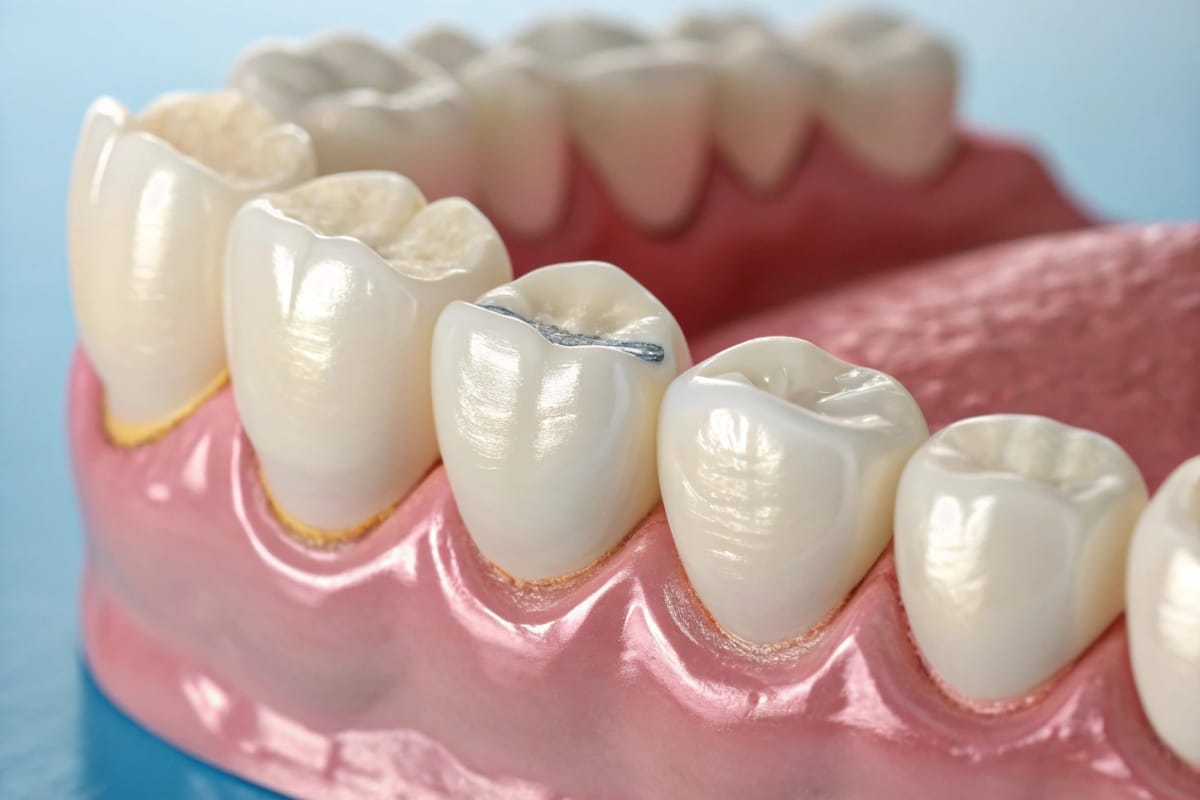
It’s a material dentists use to fill in the space left behind when part of your tooth decays. Fillings do more than just patch things up—they restore the tooth’s shape, help it function like normal, and stop decay from spreading. These days, you’ve got options like composite resins and porcelain fillings that blend in with your natural teeth, so you don’t have to worry about a mouth full of metal.
Let’s get into the signs you should watch for:
1. Tooth Sensitivity
If your teeth suddenly feel sensitive when you eat ice cream or sip hot coffee, pay attention. Tooth sensitivity that stays can mean there’s decay hiding under the surface. Sometimes, it’s just worn enamel, but if you keep feeling the pain, it’s time to get it checked out.
Quick tip: If the issue of teeth sensitivity is getting worse or happening often, put a dentist visit on your to-do list.
2. Noticeable Holes or Cracks
Not everyone inspects their teeth up close, but if you spot a hole or a crack in your tooth, don’t ignore it. Cracks and holes are red flags. Leave them alone, and you risk infections or major dental concerns down the line. Your dentist can take a look and determine whether a filling will do the job.
3. Persistent Tooth Pain
Everyone gets a random toothache now and then, but if the pain won’t go away or it’s getting worse when you chew—that’s a problem. This often means the decay isn’t just on the surface anymore; it’s working its way deeper. Fillings can stop things from getting worse.
Don’t simply endure the pain. If your tooth keeps hurting, let your dentist check it out before you end up needing something more intense, like a root canal.
4. Food Getting Stuck All the Time
If you find yourself picking food out of the same spot, over and over, there’s probably a reason. Cavities can create little pockets where food gets trapped, and that only makes the decay worse if you don’t deal with it. Make an appointment and let your dentist see what’s going on.
5. Dark Spots That Don’t Go Away
A little stain here or there isn’t a big deal, but dark spots that stick around and seem to spread are another story. These can mean decay is eating away at your tooth from the inside. Fillings can fix the damage and keep your tooth strong.
How Your Dentist Helps
Noticing any of these signs? Don’t wait. A dentist can check things out, take X-rays, and see how deep the problem goes. If it’s caught early, a quick filling is usually all you need. Wait too long, and you might end up with extensive (and more expensive) treatments.
The sooner you act, the better. Fillings are fast, effective, and keep your smile looking great. Regular check-ups help you catch problems before they become emergencies. If you’re worried about any of these signs, reach out to us at Life Smiles Dental Studio San Antonio. We’ll help you keep your smile healthy and pain-free.
FAQs
1. How long do dental fillings last?
Dental fillings last 5 to 15 years, depending on the material used, your oral hygiene habits, and how well you care for your teeth.
2. Can I get a filling if I have tooth sensitivity?
Yes, tooth sensitivity can be a sign that you need a filling, especially if it’s caused by tooth decay. A dentist can assess the situation and recommend the appropriate treatment.
3. Are there different types of dental fillings?
Yes, there are several types of dental fillings, including silver amalgam, composite resin, and porcelain fillings. Your dentist will recommend the best option based on your needs.
4. Can I prevent needing a filling?
Maintaining excellent oral hygiene, including brushing and flossing regularly, can help prevent cavities. Additionally, routine dental check-ups allow your dentist to spot potential issues before they require fillings.