Welcome New Patients!

Electric vs. Manual: Which Toothbrush Does Life Smiles Dental Studio San Antonio Actually Recommend
San Antonio, TX


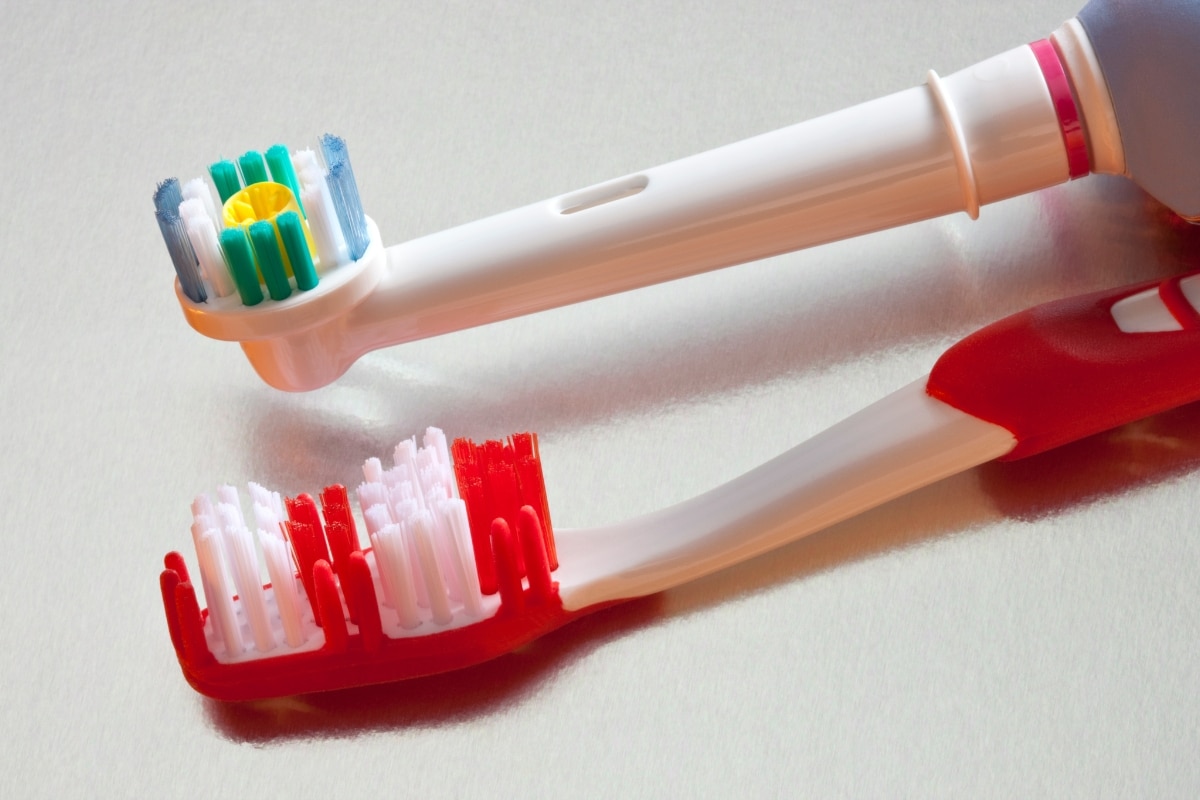
Selecting the right toothbrush can be perplexing: manual or electric? For others, it’s a tough choice to have to make, but it’s an important step in maintaining healthy teeth. Brushing your teeth is one of the most important habits you can have, but it’s not just about brushing often. It’s about brushing correctly. The right toothbrush can determine the effectiveness of your oral care routine.
At Life Smiles Dental Studio San Antonio, we understand how important it is to make the best choices for your oral health. Whether you’re a lifelong manual toothbrush user or considering making the switch to electric, we’re here to help you understand the differences and choose what works best for your needs.
Understanding the Basics of Manual and Electric Toothbrushes
Manual Toothbrushes
Manual toothbrushes have been the go-to tool for dental care for centuries. They’re simple, effective, and familiar to most people. A manual toothbrush works by relying on the user’s hand movements to scrub the teeth and gums. This type of toothbrush comes in various shapes, sizes, and bristle types to suit personal preferences.
One of the main benefits of manual toothbrushes is their affordability. They are inexpensive and widely available at nearly any store, making them a go-to for budget-conscious individuals.
In addition to cost, manual brushes allow for full control over the pressure and movement used during brushing, which some people find preferable. This hands-on approach lets the user decide how hard or soft they want to brush their teeth.
Electric Toothbrushes
Electric toothbrushes, on the other hand, provide more advanced technology for tooth cleaning. These devices use either oscillating (side-to-side) or sonic (vibrating) motion to clean teeth. The bristles on an electric toothbrush move much faster than you could with a manual toothbrush, helping to break down plaque and remove food particles more efficiently.
Electric toothbrushes come with various features, such as built-in timers, multiple brushing modes, and pressure sensors that ensure you brush for the recommended two minutes. Many users find that electric toothbrushes help them reach areas in their mouths more effectively, especially back teeth or hard-to-reach spots. As a result, they’re often recommended by dental professionals for people looking to enhance their brushing routine.
Benefits of Electric Toothbrushes
Superior Cleaning
When it comes to cleaning power, electric toothbrushes take the lead. According to numerous dental studies, electric toothbrushes can remove plaque more effectively than manual toothbrushes due to their high-speed movements. A systematic review published by the Journal of Clinical Periodontology showed that electric brushes can reduce plaque by 21% and gingivitis by 11% compared to manual brushing.
These results are often attributed to the rotating or sonic technology that electric toothbrushes offer. With their built-in movements, electric toothbrushes can reach and clean areas that manual brushing might miss, providing a deeper clean in less time.
Ease of Use
Electric toothbrushes are especially helpful for individuals who have limited dexterity. For seniors or people with conditions like arthritis, holding and maneuvering a manual toothbrush can be challenging.
These toothbrushes are easier to use as they require minimal hand movement, just a gentle guiding hand. For those with braces or dental implants, the electric toothbrush’s efficient motion can help clean around brackets and wires more thoroughly than a manual brush.
Built-In Timers and Features
One of the standout features of electric toothbrushes is the built-in timer. A professional dentist in San Antonio recommends brushing for at least two minutes, but it can be hard to keep track of time during your routine. Many electric toothbrushes come with timers that pause or vibrate after 30-second intervals, ensuring that you spend adequate time brushing each quadrant of your mouth.
In addition to timers, some electric toothbrushes have pressure sensors that alert you when you’re brushing too hard, helping to protect your gums and teeth from unnecessary damage. With multiple brushing modes available, you can even adjust the intensity to suit your specific oral health needs.
Advantages of Manual Toothbrushes
Affordability
Manual toothbrushes are budget-friendly, often costing just a few dollars. This makes them an attractive option for families, college students, or anyone looking to keep their oral hygiene routine simple and cost-effective. Unlike electric toothbrushes, there are no additional costs for charging or replacing batteries.
Control
While electric toothbrushes provide more automatic motion, manual toothbrushes give you more control over your brushing technique. If you prefer a gentler or more aggressive brushing motion, you can adjust it as needed. This level of control can be particularly beneficial for those who prefer to tailor their brushing technique to their comfort.
Accessibility
Manual toothbrushes are available in virtually every store, making them easy to find and replace. They also don’t require batteries or charging, just pick them up and brush. For those who travel often or don’t want to worry about packing chargers, manual toothbrushes are an excellent, convenient option.
What Life Smiles Dental Studio San Antonio Recommends
At Life Smiles Dental Studio San Antonio, we understand that everyone’s dental needs are unique. While we don’t necessarily endorse one type of toothbrush over the other, we recommend electric toothbrushes for those who need extra help with brushing efficiency, especially for individuals with braces, implants, or gum disease. The ability to control pressure and time with electric toothbrushes allows for better overall care.
However, we also acknowledge that manual toothbrushes can be just as effective when used properly. We recommend manual toothbrushes for patients who feel comfortable with them and are committed to brushing for the proper amount of time and using the correct technique. If you struggle with brushing for the full two minutes, consider a timer or an electric toothbrush for better results.
Which Toothbrush is Right for You?
Choosing the right toothbrush depends on your personal oral health goals, budget, and convenience. If you have difficulty with manual brushing due to dexterity issues or want the added benefits of timers and advanced technology, an electric toothbrush might be the right choice. However, if you prefer simplicity, affordability, and full control, a manual toothbrush can also do the job; just be sure to brush properly and for the recommended two minutes.
At Life Smiles Dental Studio San Antonio, we recommend discussing your oral care needs with us. We can help you evaluate the right choice for your individual needs, whether you go electric, stick to manual, or even consider hybrid options like manual brushes with timer features.
Ultimately, the best toothbrush for you is one that helps you maintain great oral health, feels comfortable, and fits your lifestyle. Both electric and manual toothbrushes have their advantages, but it’s all about how you use them. At Life Smiles Dental Studio San Antonio, we’re here to help you make the best decision for your smile.
If you’re still unsure which toothbrush is right for you, why not schedule an appointment with us? Our team can guide you toward the best oral care tools and techniques to keep your smile healthy and bright. Call us today to book your consultation!
What People Ask
1. Which toothbrush is more effective for cleaning?
Electric toothbrushes are generally more effective at removing plaque due to their high-speed movements and oscillating technology.
2. Are electric toothbrushes better for people with braces?
Yes, electric toothbrushes can help clean around braces more effectively by reaching hard-to-reach areas and providing consistent brushing pressure.
3. Is a manual toothbrush still effective?
Yes, a manual toothbrush can be effective if used properly for at least two minutes with the right technique.
4. How much more expensive are electric toothbrushes?
Electric toothbrushes tend to be more expensive than manual brushes, but they come with added features like timers and pressure sensors.
5. Can I use a manual toothbrush if I have gum sensitivity?
Yes, a manual toothbrush can be a good choice for those with gum sensitivity, as it allows you to control the pressure during brushing.