Welcome New Patients!

Dental Implants in Helotes, TX
San Antonio, TX


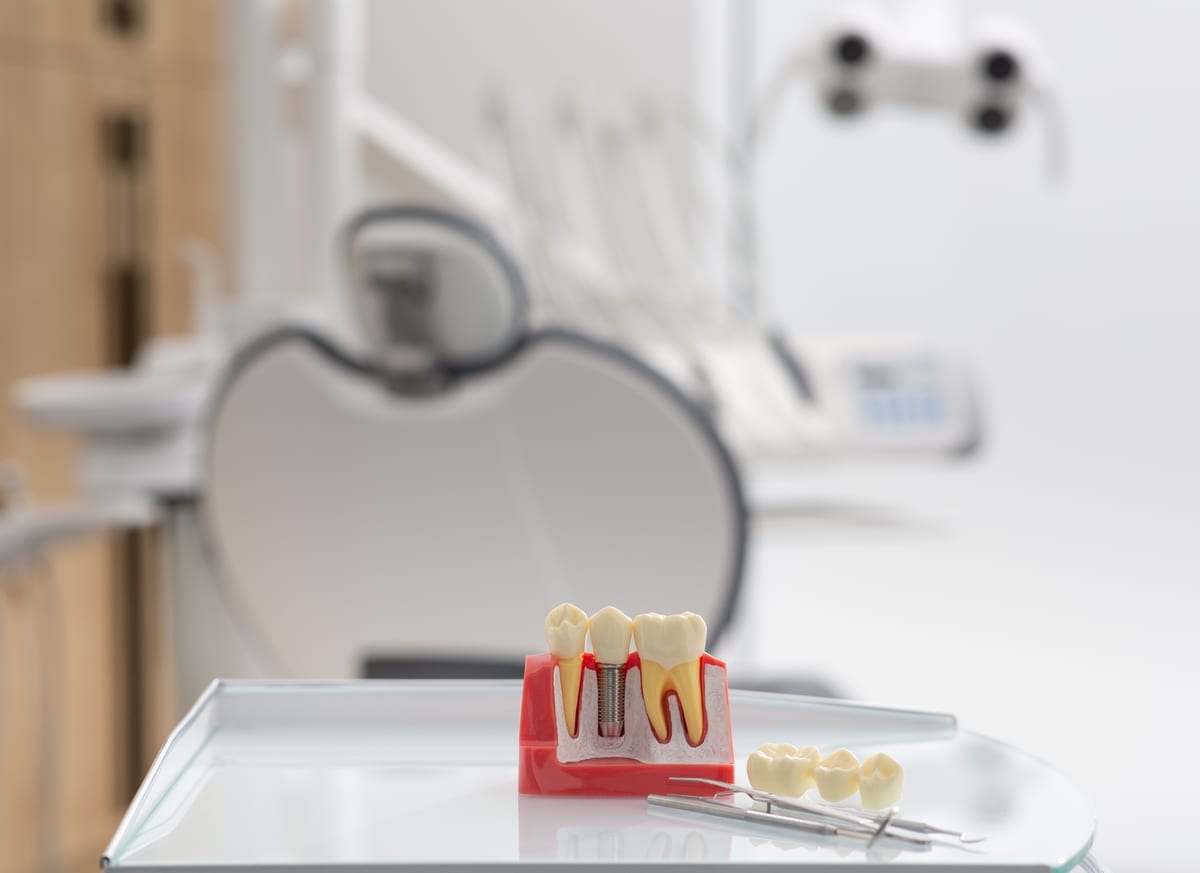
If you’ve been living with a missing tooth, you’ve probably wondered about dental implants. Many patients in Helotes ask the same question: are you actually a candidate for dental implants? The honest answer is — it depends. Several factors shape whether implants are the right choice for you. Understanding those factors helps you make a confident, informed decision.
Dental implants are one of the most durable and natural-looking tooth replacement options available today. But they aren’t a one-size-fits-all solution. At Life Smiles Dental Studio, Dr. Beryl Otchere takes a thorough, personalized approach to every implant consultation. Her goal is to give you accurate information, not a sales pitch.
What Makes Someone a Good Implant Candidate in Helotes?
The foundation of a successful implant is your jawbone. Implants are titanium posts that fuse with your bone through a process called osseointegration. Without enough healthy bone, an implant cannot anchor securely. That’s why bone density is one of the first things Dr. Otchere evaluates.
Good candidates generally share a few key qualities. They have adequate jawbone volume, healthy gum tissue, and no untreated oral infections. Overall health also plays an important role in healing after the procedure.
Here are the core factors that support strong implant candidacy:
- Sufficient jawbone density and volume
- Healthy gums free of active periodontal disease
- Good overall systemic health
- Non-smoker or willingness to quit before and after surgery
- Commitment to long-term oral hygiene habits
If you meet most of these criteria, you’re likely a strong candidate. If you don’t meet all of them, that doesn’t automatically disqualify you. Many patients can address underlying issues before moving forward with implants.
Does Age Affect Your Dental Implant Candidacy?
Age is a common concern for patients on both ends of the spectrum. Younger patients sometimes wonder if they’re old enough. Older patients worry they may have missed their window. The truth is more nuanced than most people expect.
For younger patients, the key issue is jaw development. Implants should not be placed until the jawbone has fully matured. This typically happens in the late teens or early twenties. Placing an implant too early can interfere with natural bone growth.
For older adults, age itself is rarely a barrier. Many patients in their 60s, 70s, and beyond receive implants successfully. What matters more is overall health and bone quality rather than the number of years lived. Dr. Otchere evaluates each patient individually rather than applying age limits.
How Do Health Conditions Impact Implant Eligibility?
Certain medical conditions require honest discussion before pursuing implants. This doesn’t mean you’re automatically disqualified. It means your treatment plan may need to be adjusted for your safety and success.
Conditions that require careful consideration include:
- Uncontrolled diabetes: High blood sugar slows healing and increases infection risk.
- Osteoporosis: Bone loss can affect implant stability, especially with certain medications.
- Autoimmune disorders: These can interfere with osseointegration and healing.
- Heart conditions: Some medications or procedures may need coordination with your physician.
- Active cancer treatment: Radiation to the jaw area can compromise bone health.
Many of these conditions can be managed with proper planning. Dr. Otchere often collaborates with your primary care physician to create a safe treatment pathway. Open communication about your medical history is essential from the start.
It’s also worth noting that patients who have experienced significant tooth loss may need additional support. In some cases, treatments like Dental Crowns may complement an implant-based restoration plan to protect adjacent teeth.
Does Smoking Disqualify You from Getting Dental Implants?
Smoking is one of the most significant risk factors for implant failure. Nicotine restricts blood flow to the gums and bone. This directly interferes with the healing process after implant placement. Studies consistently show that smokers have higher implant failure rates than non-smokers.
That said, smoking doesn’t mean implants are completely off the table. It means you’ll need to have a very honest conversation with Dr. Otchere. She will explain the specific risks associated with your habits and help you weigh your options clearly.
Patients who commit to quitting smoking before and after the procedure significantly improve their odds. Many dentists recommend stopping at least two weeks before surgery. Staying smoke-free during the healing period — typically three to six months — is equally important. Your commitment to this process matters enormously.
What If You Have Low Bone Density?
Bone loss is one of the most common reasons patients think they aren’t candidates for implants. The good news is that low bone density doesn’t always mean implants are impossible. Bone grafting procedures can rebuild bone volume in many cases.
A bone graft uses either your own bone or a donor material to stimulate new bone growth. After the graft heals — usually over several months — your jaw may have enough density to support an implant. This adds time to the treatment process but opens the door for patients who would otherwise be excluded.
In some situations, alternative restoration options may be explored alongside or instead of implants. For instance, Dental Bonding techniques can sometimes support cosmetic improvements while a longer-term plan is developed. Dr. Otchere will always discuss every viable option with you before recommending a course of action.
What to Expect During an Implant Candidacy Consultation
Your first step is a thorough evaluation at Life Smiles Dental Studio. Dr. Otchere will review your dental and medical history in detail. She will also take X-rays or a 3D cone beam scan to assess your bone structure. This gives her a complete picture of what your jaw can support.
From there, she will explain your options honestly. If you’re an ideal candidate, she’ll outline the implant timeline. If there are concerns, she’ll explain what steps — like bone grafting or gum treatment — might prepare you for implants in the future.
Here’s what the consultation process typically includes:
- Review of your full medical and dental history
- Digital X-rays or 3D imaging of the jaw
- Examination of gum tissue and bone levels
- Discussion of your goals and expectations
- A personalized treatment recommendation
You’ll leave the consultation with clear answers, not more uncertainty. That’s the Life Smiles promise.
Making the Right Choice for Your Smile in Helotes
Dental implants can be life-changing. They restore your ability to eat, speak, and smile with full confidence. But the decision to get implants deserves careful thought and professional guidance. Not every patient is ready on day one, and that’s perfectly okay.
Dr. Beryl Otchere and the Life Smiles Dental Studio team are here to walk you through every step. Whether you’re a strong candidate today or need some preparation first, you deserve a clear path forward. Helotes patients trust Life Smiles for honest, compassionate care that puts their long-term health first.
Don’t let uncertainty keep you from exploring your options. Book Now to schedule your appointment with our team.
Frequently Asked Questions
Can I get dental implants if I have gum disease?
Active gum disease must be treated before implant placement. Untreated periodontal disease creates an environment where implants are far more likely to fail. Once your gum health is restored and stable, you may become a strong candidate for implants. Dr. Otchere will assess your gum tissue thoroughly before recommending next steps.
How long does the dental implant process take?
The full implant process typically takes several months from start to finish. After the implant post is placed, the bone needs time to fuse with the titanium — usually three to six months. Additional steps like bone grafting can extend the timeline. Every patient’s process is unique based on their individual healing and needs.
Is there a maximum age for getting dental implants?
There is no strict upper age limit for dental implants. Older adults in good health with sufficient bone density are often excellent candidates. What matters most is your overall health, bone quality, and commitment to post-procedure care. Dr. Otchere evaluates each patient individually regardless of age.
What happens if a dental implant fails?
Implant failure is uncommon but can occur due to infection, bone loss, or poor healing. If an implant fails, the area can often be treated and a new implant placed after healing. Dr. Otchere follows careful protocols to minimize failure risk from the very beginning. She will discuss your personal risk factors with you during your consultation.
Are dental implants painful to get?
Most patients report that implant surgery is more comfortable than they expected. Local anesthesia is used throughout the procedure to keep you comfortable. Some soreness and swelling are normal in the days following placement. Over-the-counter pain relief is usually sufficient, and most patients return to normal activity quickly.