Welcome New Patients!

Are You Actually a Candidate for Veneers? The Self-Screening Checklist
San Antonio, TX


If you’ve been searching ‘Are You Actually a Candidate for Veneers? The Self-Screening Checklist San Antonio,’ you already know veneers can create a stunning smile transformation. But not everyone qualifies on the first visit. Understanding your own candidacy before you sit in the chair saves time and sets realistic expectations. Dr. Beryl Otchere at Life Smiles Dental Studio in San Antonio helps patients screen themselves so appointments become productive conversations — not surprises.
What Are Veneers and Why Candidacy Matters
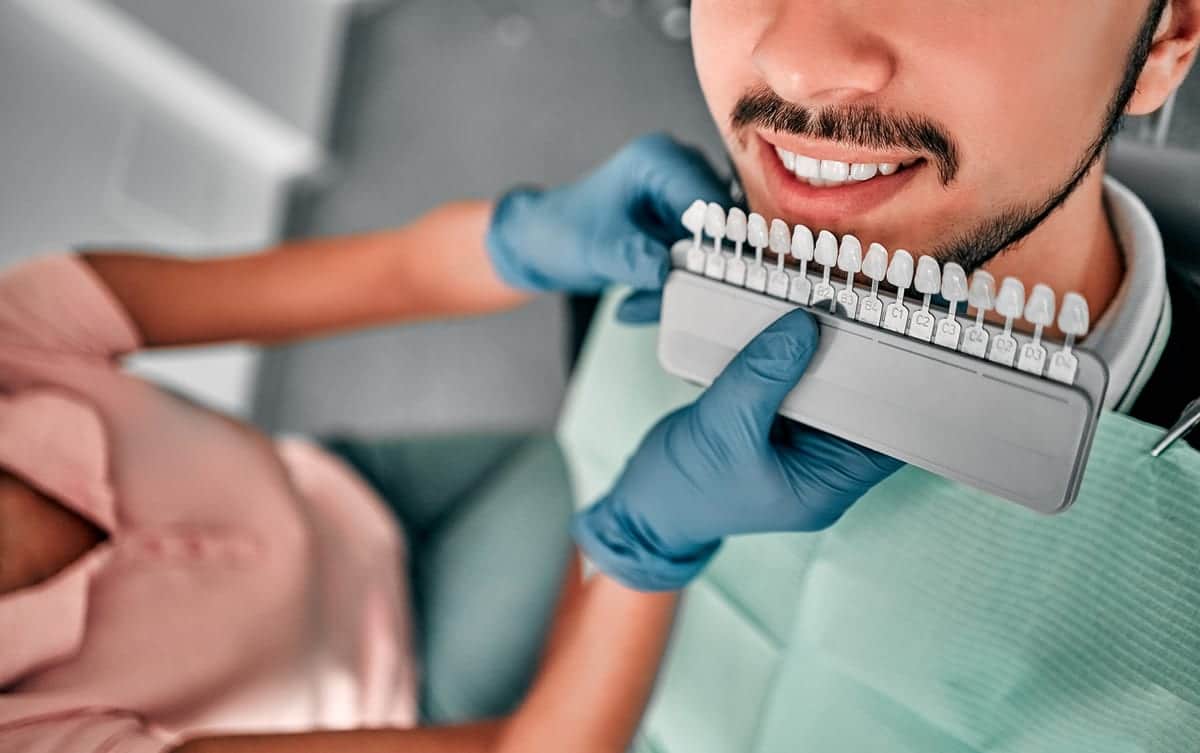
Dental veneers are ultra-thin porcelain or composite shells bonded to the front surface of teeth. They correct chips, discoloration, gaps, and mild misalignment. Because placement is largely irreversible, the decision requires careful evaluation. Candidacy matters because placing veneers on unhealthy teeth leads to early failure and added cost.
Veneers are not a one-size-fits-all solution. Some patients need preparatory treatment before they qualify. Others may be better served by alternatives like Dental Bonding San Antonio or Dental Crowns San Antonio depending on the extent of damage. Knowing which category you fall into is the first step toward the right result.
The Self-Screening Checklist: Are You a Candidate for Veneers in San Antonio?
Work through this checklist honestly before your consultation. Each category reflects a real clinical requirement that Dr. Otchere evaluates during your exam. This is not a substitute for a professional assessment, but it gives you a helpful starting point.
Tooth Structure Requirements
Veneers bond to enamel. If your enamel is severely worn or eroded, bonding strength decreases significantly. You need enough healthy enamel on the front surface for the veneer to adhere properly. Thin or missing enamel is often a disqualifying factor without additional treatment.
- Your teeth feel structurally intact — no major cracks or fractures
- You have not had significant enamel erosion from acid reflux or acidic diets
- Your teeth are not extremely short or severely worn down
- You have not had large portions of front tooth structure previously removed
If you checked most of these items, your tooth structure may support veneers. If you identified one or more concerns, Dr. Otchere can assess whether a crown or bonding is more appropriate for your case.
Gum Health Considerations
Healthy gums are non-negotiable before any cosmetic dental work. Inflamed, bleeding, or receding gums create an unstable foundation. Placing veneers over active gum disease leads to poor margins and faster deterioration. Gum tissue must be stable and healthy at the time of veneer placement.
- Your gums do not bleed regularly when brushing or flossing
- You do not have visible gum recession around your front teeth
- You have not been diagnosed with active periodontal disease
- Your gum line appears even and symmetrical across front teeth
If you have concerns about your gum health, a professional cleaning and periodontal evaluation should happen first. Life Smiles Dental Studio offers comprehensive teeth cleaning and gum health assessments in San Antonio to prepare patients for cosmetic procedures.
Bite Considerations That Affect Veneer Longevity
Your bite places enormous force on your front teeth. An uneven or problematic bite can crack or dislodge veneers prematurely. Patients with deep overbites, edge-to-edge bites, or significant misalignment need evaluation before proceeding. Bite issues do not always rule out veneers, but they must be addressed first.
If you grind your teeth at night — a condition called bruxism — the pressure can shatter porcelain veneers over time. Many grinding patients require a custom night guard after veneer placement. Severely misaligned teeth may benefit from Invisalign treatment before cosmetic work begins. Dr. Otchere evaluates bite mechanics as a core part of every veneer consultation.
Habits That Can Make or Break Your Candidacy
Lifestyle habits play a surprisingly large role in veneer candidacy. Some habits damage veneers directly. Others interfere with the underlying tooth structure. Being honest about your habits during your consultation leads to a treatment plan that actually lasts.
- Nail biting or chewing on pens: These habits chip porcelain easily
- Teeth grinding or clenching: Bruxism dramatically shortens veneer lifespan
- Tobacco use: Staining and gum disease risk increase significantly
- Chewing ice or hard foods regularly: This fractures veneers over time
- Poor oral hygiene: Decay under or around veneers leads to failure
Changing or managing these habits before placement dramatically improves long-term outcomes. Dr. Otchere will discuss each habit openly during your consultation. The goal is always a result that lasts for years, not months.
When Veneers May Not Be the Right Fit Right Now
Sometimes the best answer is ‘not yet.’ Active cavities must be treated before veneer placement. Root canal history on a tooth does not automatically disqualify it, but it adds complexity. Severely misaligned teeth may need orthodontic correction first for predictable cosmetic results.
Patients with significant tooth damage or decay often find that a crown provides better protection and coverage. Patients with minor chips or discoloration who want a reversible option may prefer dental bonding as a first step. A thorough consultation helps Dr. Otchere match the right solution to your specific situation — not just the most popular one.
What Happens During a Veneer Consultation at Life Smiles Dental Studio
Your consultation at Life Smiles Dental Studio in San Antonio is a full evaluation — not just a conversation. Dr. Otchere examines your teeth, gum tissue, bite alignment, and overall oral health. Digital X-rays and photographs help assess bone levels and existing restorations. You leave with a clear understanding of your candidacy and a personalized treatment plan.
If preparatory work is needed, the team maps out a logical sequence. Cleanings, gum treatment, and bite corrections happen before cosmetic work begins. This staged approach protects your investment and ensures your veneers last as long as possible. Patients consistently appreciate the thorough, no-pressure environment that Dr. Otchere creates for these conversations.
Ready to find out if veneers are right for you? Book Now to schedule your appointment with our team.
Frequently Asked Questions
How many teeth typically get veneers in one treatment?
Most patients choose between four and eight veneers to cover the visible ‘smile zone.’ The exact number depends on your smile width and aesthetic goals. Dr. Otchere will recommend a number that creates a natural, balanced result during your consultation.
Are veneers permanent?
Veneers are considered a long-term but not fully permanent restoration. A small amount of enamel is removed during preparation, making the process irreversible. High-quality porcelain veneers typically last ten to fifteen years with proper care before replacement is needed.
Can I whiten my teeth after getting veneers?
Veneers do not respond to traditional whitening treatments. Porcelain maintains its original shade throughout its lifespan. If you want whiter teeth, Dr. Otchere recommends completing any teeth whitening treatment before your veneers are fabricated so the shade can be matched precisely.
What if I have a cavity — can I still get veneers?
Active cavities must be treated before veneer placement. Placing a veneer over an untreated cavity leads to decay spreading beneath the restoration. Once the cavity is filled and the tooth is healthy, veneer candidacy can be reassessed at your follow-up appointment.
How long does the veneer process take from start to finish?
The typical veneer process spans two to three appointments over two to four weeks. The first appointment involves evaluation and preparation. The second captures impressions or digital scans. Final veneers are bonded at the third appointment after a custom fabrication period at the dental lab.