Welcome New Patients!

Stop Dreading the Dentist: Real Ways to Calm Your Anxious Child
San Antonio, TX


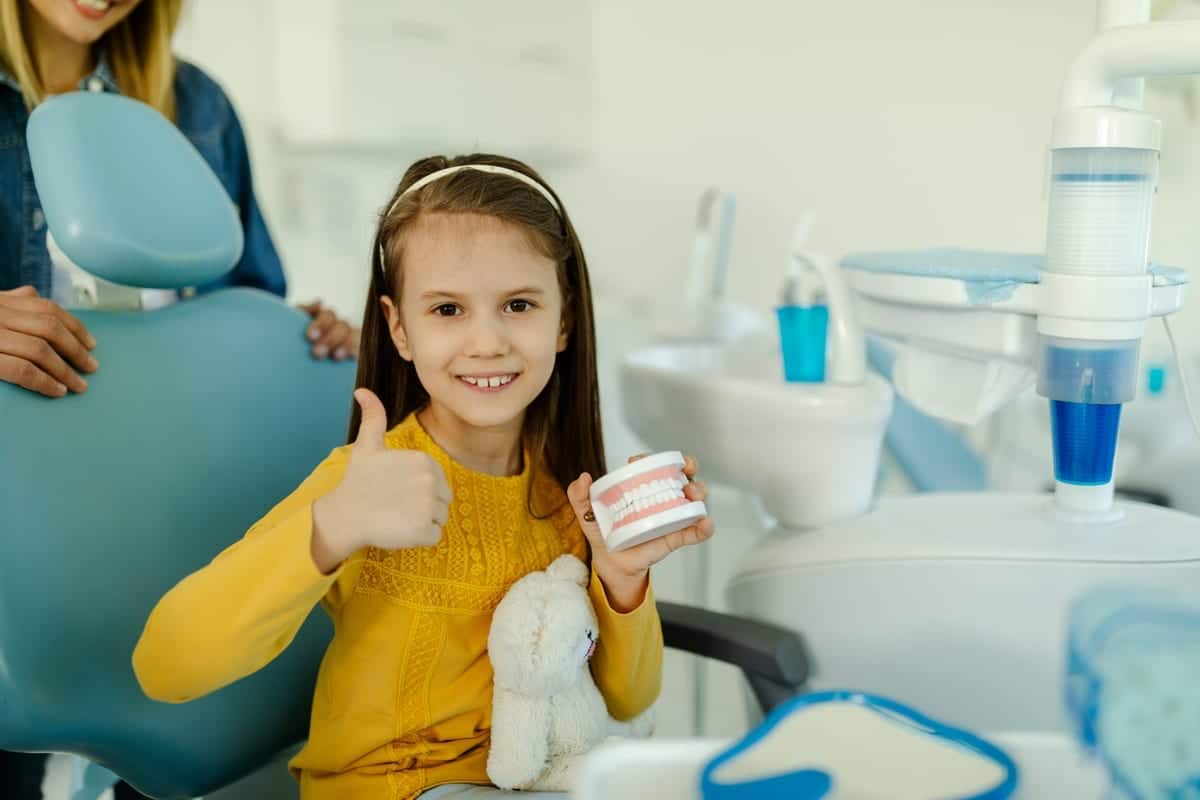
If your child cries, freezes, or begs to skip appointments, you are not alone. Dental anxiety in children is incredibly common across San Antonio. Many parents search for real ways to help their kids stop dreading the dentist — without shame, without force, and definitely without bribing them with sugary treats. Dr. Beryl Otchere and the team at Life Smiles Dental Studio understand this struggle deeply. This guide gives you practical, evidence-based strategies to make dental visits calmer and more positive for your child.
Why Children Develop Dental Anxiety in San Antonio and Beyond
Dental fear does not come out of nowhere. Children pick up on emotional cues quickly. If a parent feels nervous before a dental visit, kids often mirror that anxiety. Past painful or overwhelming experiences also leave lasting impressions on young minds.
Some children feel afraid of the unknown — the sounds, the smells, and the unfamiliar tools. Others fear losing control while lying back in the dental chair. Understanding why your child feels anxious is the first step toward helping them.
Research shows that dental anxiety in childhood often leads to avoidance in adulthood. Starting early with positive experiences protects your child’s oral health for life. The goal is never to dismiss the fear — it is to gently work through it together.
Real Ways to Calm Your Anxious Child Before the Appointment
Preparation makes a significant difference. Start talking about the visit a few days ahead — but keep the tone light and matter-of-fact. Avoid over-explaining or using words like “hurt,” “needle,” or “drill.”
Here are practical steps parents can take before the appointment:
- Read child-friendly books about visiting the dentist together
- Play “dentist” at home using a toothbrush and a mirror
- Watch short, age-appropriate videos that show calm dental visits
- Let your child bring a comfort item like a stuffed animal or small toy
- Avoid scheduling appointments when your child is tired or hungry
- Use calm, positive language — say “the dentist keeps teeth healthy” instead of “it won’t hurt”
Your own body language matters too. Children are perceptive. Stay relaxed and confident when discussing the visit. That calm energy is contagious in the best way.
What to Expect During a Child-Friendly Visit at Life Smiles Dental Studio
A dental visit does not have to feel clinical or scary. At Life Smiles Dental Studio, Dr. Otchere and the team use a gentle, unhurried approach with anxious children. Every step is explained in simple, friendly language before it happens.
Here is a typical flow for a child’s first or early visit:
- A warm welcome — Staff greet your child by name and make conversation about their interests
- A tour of the tools — Kids get to see and sometimes touch instruments before they are used
- Show, tell, do — Each action is shown, explained, then gently performed
- Frequent check-ins — Dr. Otchere pauses to ask how your child is feeling throughout
- Positive reinforcement — Bravery is celebrated with genuine praise, not candy
This structured approach builds trust over time. Many children who start anxious become relaxed and even excited about future visits.
Evidence-Based Techniques Dentists Use to Reduce Child Anxiety
Professional dental teams are trained in specific techniques that calm anxious children. These are not gimmicks — they are rooted in child psychology and behavioral science.
Tell-Show-Do is one of the most effective methods used in pediatric and general dentistry. The dentist describes a tool, shows it, then uses it gently. This removes the element of surprise that triggers fear responses in children.
Distraction techniques also work well. Some children respond to music, audiobooks, or a small screen overhead during treatment. Focused breathing exercises help older children manage anticipatory anxiety in the chair.
For children with more significant anxiety, nitrous oxide (sometimes called laughing gas) is a safe, mild sedation option. It wears off quickly and helps children feel relaxed without putting them fully to sleep. Ask Dr. Otchere whether this option is right for your child.
How to Choose the Right Dental Practice for an Anxious Child in San Antonio
Not every dental office is equipped to handle dental anxiety with patience and skill. When searching for the right fit, look for a practice that prioritizes communication and comfort over efficiency.
Key qualities to look for include:
- A calm, welcoming environment without overwhelming sensory stimuli
- A dentist who speaks directly to the child — not just the parent
- Staff trained in anxiety-sensitive communication
- Flexible pacing — no rushing through appointments
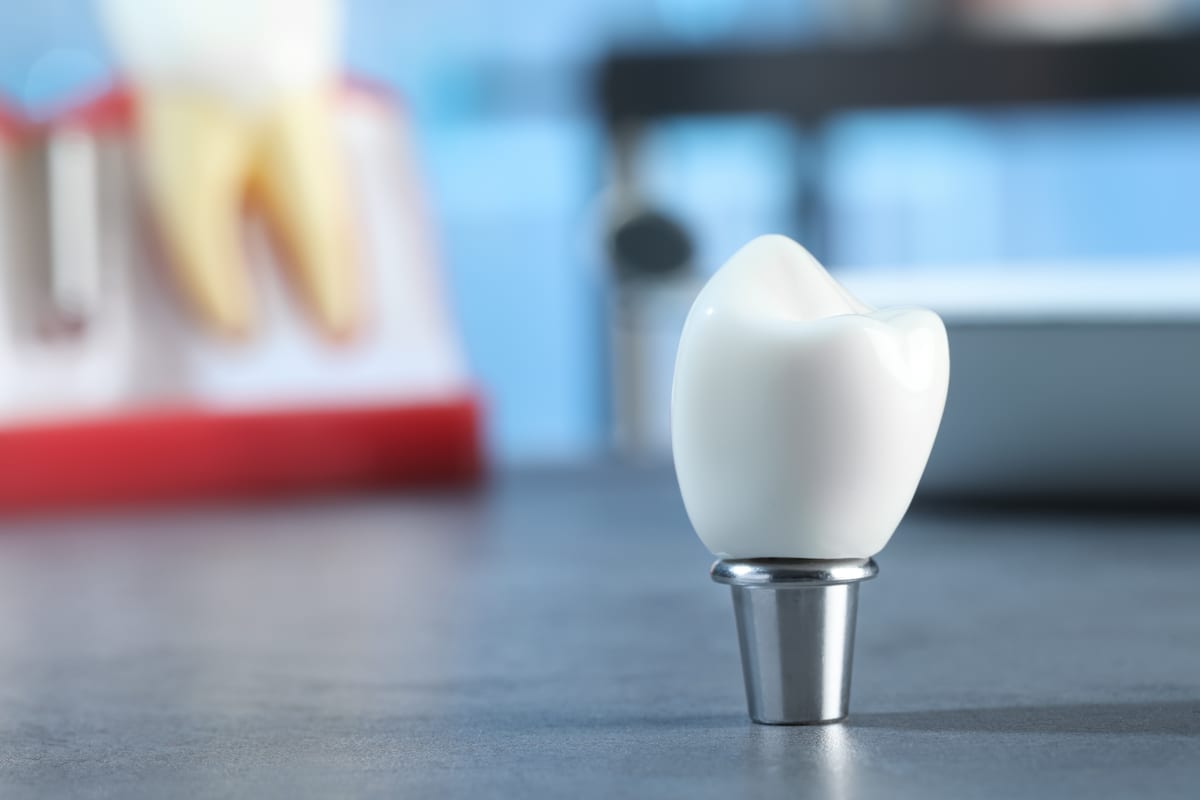
- A practice that offers a full range of care, including Dental Crowns San Antonio and restorative services, so your child doesn’t need to be referred elsewhere mid-treatment
Continuity of care matters deeply for anxious children. Seeing the same trusted faces at every visit builds the familiarity that reduces fear over time.
Sometimes teeth need minor cosmetic or structural repair as part of a child’s treatment plan. Services like Dental Bonding San Antonio can fix chips or small imperfections gently and quickly — often in a single visit, which is ideal for anxious young patients.
Conclusion: Your Child Deserves a Dentist They Trust
Dental anxiety is real, and your child’s feelings deserve to be taken seriously. Dismissing the fear or forcing the experience often makes things worse long-term. With the right preparation, the right language, and the right dental team, most children can learn to feel safe and even comfortable at the dentist.
At Life Smiles Dental Studio in San Antonio, Dr. Beryl Otchere and the team are committed to helping your child build a positive relationship with dental care — one visit at a time. Your child’s smile is worth the extra care and patience it takes to get there. Book Now to schedule your appointment with our team.
Frequently Asked Questions
At what age should my child first visit the dentist?
Most dental professionals recommend scheduling a child’s first visit by their first birthday or within six months of their first tooth appearing. Early visits help normalize the experience before fear has a chance to develop. Starting young also allows the dentist to monitor your child’s oral development closely.
What should I say to my child before a dental appointment to reduce anxiety?
Use calm, positive, and honest language. Say something like, “The dentist is going to count your teeth and help keep them strong.” Avoid words like “hurt” or “shot” — these create anticipatory fear. Keeping the conversation brief and upbeat works best for most children.
Is it okay to stay in the room with my child during the appointment?
In most cases, yes — and for anxious children, it is often encouraged. Your calm presence can be very reassuring. However, some children actually perform better when parents step back slightly, as they focus more on following the dentist’s instructions. Dr. Otchere will guide you on what works best for your child.
What if my child’s anxiety is severe and they refuse to cooperate at all?
Severe dental anxiety is manageable with the right support. Options include nitrous oxide sedation, gradual desensitization visits, and behavioral techniques used by trained dental professionals. In rare cases, referral to a pediatric dental specialist may be appropriate. Always communicate openly with your dentist about the severity of your child’s anxiety.
How often should an anxious child visit the dentist?
Most children benefit from visits every six months. For anxious children, more frequent short visits can actually help — each positive experience builds confidence. These “happy visits” may not even involve treatment, just friendly check-ins that reinforce trust and familiarity with the dental environment.