Welcome New Patients!

Professional Teeth Cleaning in Leon Valley, TX
San Antonio, TX


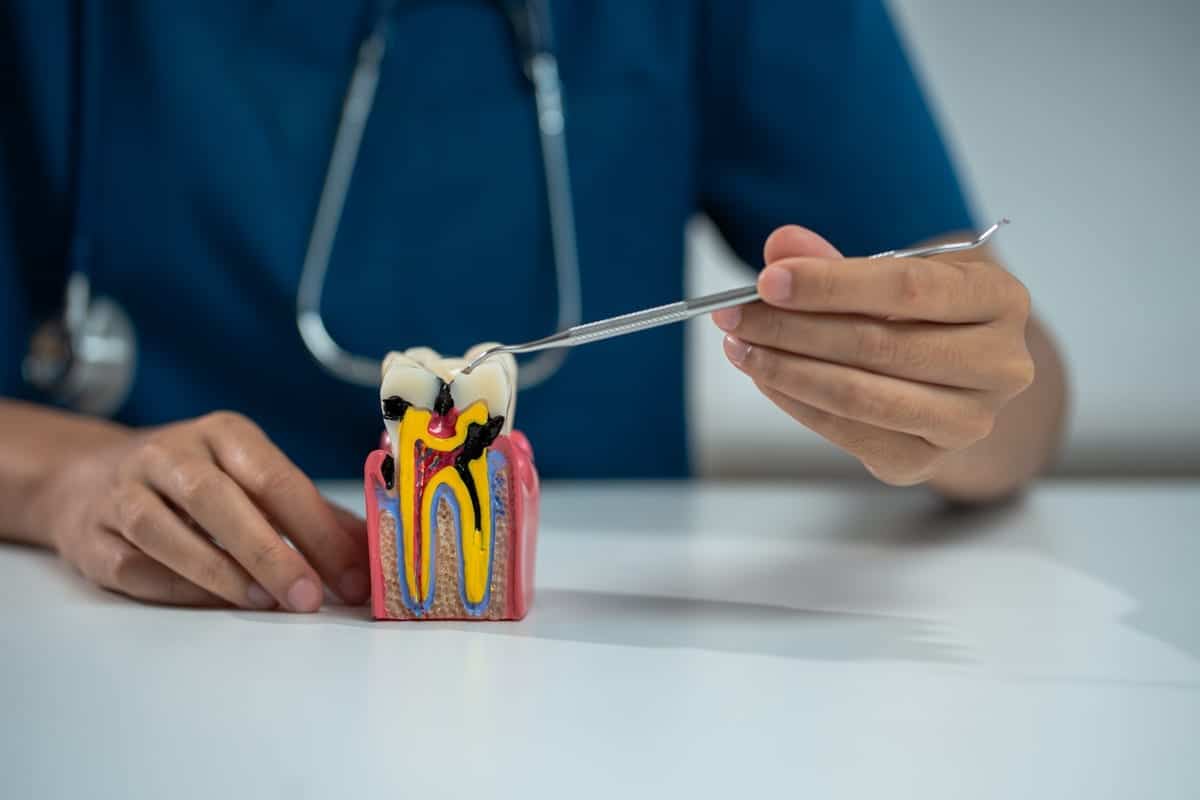
If you’ve ever sat back in the dental chair and wondered exactly what’s happening in your mouth, you’re not alone. Understanding what your hygienist actually does during a professional cleaning in Leon Valley can ease anxiety and help you appreciate every step. At Life Smiles Dental Studio, Dr. Beryl Otchere and her team believe informed patients make healthier choices. This guide breaks down each phase of your cleaning appointment so nothing comes as a surprise.
Why Professional Cleanings Go Beyond Brushing at Home
Daily brushing and flossing are essential habits, but they can’t remove everything. Plaque hardens into tartar — also called calculus — in as little as 24 to 72 hours. Once tartar forms, no toothbrush can remove it safely. Only professional tools and a trained hygienist can fully clear it away.
Leon Valley patients often ask why cleanings are recommended every six months. The answer is simple: bacteria and buildup accumulate faster than most people realize. Regular appointments catch small problems before they become costly ones. They also give your hygienist a chance to track changes over time.
Here’s what a typical professional cleaning actually addresses:
- Hardened tartar above and below the gumline
- Surface stains from food, coffee, and tea
- Early signs of gum disease or inflammation
- Plaque in hard-to-reach areas between teeth
- Overall oral tissue health and soft tissue screening
Step-by-Step: What Your Hygienist Is Actually Doing
Your hygienist follows a precise sequence during every visit. Each step has a specific purpose, and skipping one would compromise the quality of your care. Here’s exactly what happens from the moment you sit down.
Health history review: Your hygienist starts by reviewing your medical and dental history. Certain medications affect saliva, bleeding, and healing. This information directly shapes how they approach your cleaning.
Oral examination: Before any tools come out, your hygienist visually inspects your teeth and gums. They look for redness, swelling, recession, and visible decay. This early assessment guides the entire appointment.
Scaling: This is the heart of the cleaning. Using a hand scaler or an ultrasonic instrument, your hygienist removes tartar from every tooth surface. The ultrasonic device vibrates at high frequency and uses water to flush debris away. It sounds louder than it feels.
Polishing: After scaling, your hygienist uses a rotating rubber cup with a slightly gritty paste called prophy paste. This removes surface stains and leaves teeth feeling smooth. Smooth surfaces make it harder for bacteria to cling on between visits.
Flossing: Your hygienist flosses between every tooth, not just to clean but to check for bleeding or tight contacts. Bleeding during flossing signals gum inflammation. It’s useful diagnostic information, not just a hygiene step.
Fluoride treatment: Many appointments finish with a fluoride rinse or gel. Fluoride remineralizes enamel and strengthens teeth against acid attacks. It’s especially helpful for patients prone to cavities.
What Your Hygienist Is Looking For — Beyond Clean Teeth
A professional cleaning in Leon Valley is also a health screening. Your hygienist is trained to spot signs that go far beyond surface buildup. They document their findings and share them with Dr. Otchere for review.
Periodontal probing is one of the most important assessments. Your hygienist uses a thin, blunt probe to measure the depth of the pocket between each tooth and its surrounding gum. Healthy pockets measure one to three millimeters. Deeper pockets suggest gum disease is developing.
Your hygienist also looks for:
- Recession — gums pulling away from tooth roots
- Mobility — teeth that feel loose when tested
- Lesions or unusual tissue changes in the mouth
- Signs of grinding or clenching (bruxism)
- Worn, cracked, or chipped enamel that may need Dental Crowns or other restoration
Catching these issues early makes treatment simpler and less invasive. A small crack caught at a cleaning visit is much easier to address than a broken tooth that needs emergency care.
When the Hygienist Flags Something: What Happens Next
Sometimes your hygienist notices something during the cleaning that needs a closer look. They’ll pause, make a note, and let Dr. Otchere know before or after your appointment. This collaboration is built into every visit at Life Smiles Dental Studio.
Common findings that prompt follow-up include early cavities, gum pockets deeper than four millimeters, and enamel erosion. Dr. Otchere may recommend treatments like Dental Bonding for minor chips or enamel damage found during the exam. Early intervention typically means simpler, more comfortable treatment.
If gum disease is detected, your hygienist may recommend a deeper cleaning called scaling and root planing. This goes below the gumline to remove tartar from the root surfaces. It’s different from a routine cleaning and targets active bacterial infection.
Your hygienist will also review your home care routine. They may suggest a different toothbrush angle, a water flosser, or a specific toothpaste. These personalized tips are based on what they actually observed in your mouth — not generic advice.
Making the Most of Your Cleaning Visit in Leon Valley
Arriving prepared helps your hygienist work more efficiently. Brush and floss before your appointment as you normally would. Don’t skip it just because you’re coming in — your hygienist wants to see your everyday oral health baseline.
Let your hygienist know about any sensitivity, pain, or changes you’ve noticed. Even minor discomfort when drinking cold water is worth mentioning. These details help them tailor the appointment to your needs.
Most standard cleanings take between 45 minutes and one hour. If it’s been a while since your last visit, or if significant tartar buildup is present, the appointment may run longer. Your hygienist will let you know what to expect before they begin.
At Life Smiles Dental Studio, we make every cleaning appointment a complete experience — not just a quick polish and out the door. Our team takes the time to explain what they’re finding and why it matters to your long-term health. Book Now to schedule your appointment with our team.
Frequently Asked Questions
How is a professional cleaning different from brushing at home?
Brushing removes soft plaque from surfaces you can reach. A professional cleaning removes hardened tartar that no toothbrush can dislodge, reaches below the gumline, and includes a full health screening of your teeth and gums.
Is it normal for gums to bleed during a cleaning?
Some bleeding is common, especially if it’s been a while since your last cleaning or if gum inflammation is present. Your hygienist notes any bleeding as a sign of gum health. With regular cleanings and consistent home care, bleeding typically decreases over time.
How often should Leon Valley patients schedule a professional cleaning?
Most patients benefit from a cleaning every six months. However, patients with gum disease, a history of heavy buildup, or other risk factors may need visits every three to four months. Dr. Otchere’s team will recommend the right schedule based on your individual needs.
Does the ultrasonic scaler hurt?
Most patients find the ultrasonic scaler comfortable. It vibrates at high frequency and uses water to remove tartar efficiently. If you have sensitivity, your hygienist can adjust pressure or offer alternatives. Let them know before they begin if you’re concerned.
What should I do between cleanings to protect my results?
Brush twice daily with a fluoride toothpaste and floss once each day. Use any products your hygienist recommended based on your specific findings. Drinking water throughout the day and limiting sugary or acidic foods also helps maintain your results between visits.